Beauty

A curated edit of the newest beauty stories from Sassy Strides.

Beauty

Sort By:
Showing 1-7 of 7 results

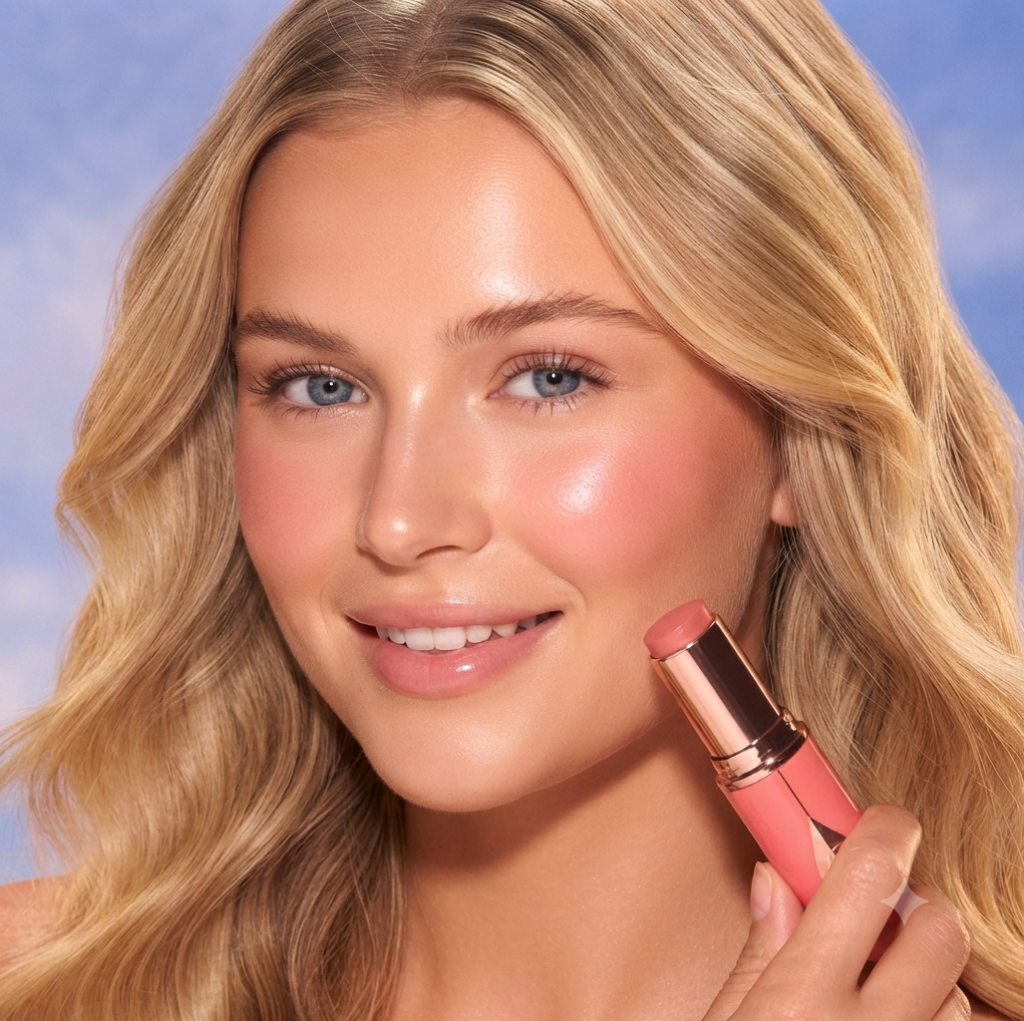
Lip Oil vs Lip Gloss vs Lip Tint: What Is Actually Different and Which Do You Need?

Lip oil, lip gloss, and lip tint are not the same thing. Lip oil is all about hydration and nourishment, lip gloss adds extra shine, and lip tint adds color for a long time. Decide by your preference or combine to get a mix of comfort, color, and shine for a daily makeup look. I mean, the types of lip oils, tints, and glosses are so closely placed next to one another that standing in the beauty aisle looking at all these tubes is genuinely confusing. They look similar. They have more or less identical finishes. The packaging often doesn’t help. And yet they are doing entirely different things, and buying the wrong one leaves you with a product that fails to address your actual problem. Here’s the honest breakdown. Lip oil will nurture your lips. Lip tint is a color that stays; lip gloss makes everything shiny. That’s the core of it. Everything else is just detail. Many people also ask: By the end, I assure you that all your doubts will be cleared.  Lip Oil vs Gloss vs Lip Tint: What’s the Difference? Feature Lip Oil Lip Tint Lip Gloss Finish Soft dewy shine Natural flush or soft matte High-shine glossy Main purpose Nourish and hydrate Add lasting color Add shine and dimension Texture Lightweight and silky Lightweight and blendable Thicker and richer Color payoff Usually sheer Sheer to buildable Sheer to bold Hydration High Moderate Moderate Wear time Medium Long Short to medium Best for Dry lips and everyday wear Low-maintenance color Glossy statement lips Reapplication Every few hours Less frequent Usually more frequent Overall effect Healthier-looking lips Naturally flushed lips Juicy reflective lips What Is Lip Oil? Lip oil is actually lip skin care but with an aesthetic element to it. It’s not competing with gloss, nor is it a tint replacement. It’s running away from trends, which is making lips feel actually softer and more supple while getting a kissable sheen that’s just enough that they look like you ideally kissed someone in a way that looks like you didn’t have anything on. Most formulas include ingredients such as those made from jojoba, argan, rosehip, or squalane. The actual conditioning stuff and not just marketing mumbo jumbo. In terms of finish, it is glossy and quieter than a classic gloss. The sheerness of most lip oils (with your real lip pigment peeking through) is one major reason they appear so low-maintenance; Swipe it on when your lips are dry. Layer it over other products. Touch it up throughout the day when you’re out, toss it in your bag. It is one of the easiest products to use, as it can be used with nearly everything and requires zero thought on how to use it. Why Do People Actually Wear Lip Oil? Because it makes lips look good without making it obvious that you’re wearing anything. That healthy, soft, glossy look that looks like your lips just naturally look that way. That’s lip oil. If your lips are chronically dry or uncomfortable, lip oil is also just more pleasant to wear through the day than anything that makes dryness worse rather than better. What Is a Lip Tint? Lip tint is purely about color. Not shine, not hydration. Color that stays. The whole concept is a stain or wash of color that looks like it’s coming from your actual lips rather than something sitting on top of them. Different formulas do it differently. Liquid, water-based, gel, creamy. Some go dewy, some go matte once they set. The reason people love tints is genuinely about longevity. A good one survives eating and drinking in a way that most lipstick completely fails at. That just-bitten flushed look that shows up everywhere on social media? That’s a lip tint. Berry, peach, rose, terracotta. Natural-looking color that makes lips look alive rather than painted. Who Should Actually Choose a Lip Tint? If you find yourself constantly reapplying lip color during the day, which is annoying, then lip tint will most likely be your solution. And if you just want your overall makeup to look a little more natural, it’s literally really great for that too. You get the definition and color without looking like you just applied makeup. It’s worth seeking out the creamy tints in particular if dryness is an issue, since some of the lighter water-based formulas can feel a little drying as they wear after a few hours. What Is Lip Gloss? Gloss is about shine. That’s really the whole thing. That wet reflective look that makes lips appear fuller and more dramatic immediately. Modern formulas are much better than the sticky versions everyone dealt with years ago. A lot of current glosses feel smooth and comfortable while still delivering that high-impact finish. Some contain conditioning ingredients, which is a nice bonus, but the shine is still the point. The color range goes from completely clear to quite pigmented. A clear gloss worn alone is simple and fresh. A deeply tinted gloss makes a real statement. Both are valid depending on what mood you’re in and where you’re going. Lip Gloss vs Lip Tint: Which One Should You Choose? This is really a shine versus staying power decision. Gloss gives you that high-shine finish immediately. Looks incredible for events, nights out, photos, any situation where you want your lips to really show up. Tint gives you color that genuinely lasts and looks more like your natural lips just enhanced rather than covered. For everyday practical wear, tint is usually easier because you’re not worrying about it constantly. For any occasion where impact matters, gloss is the obvious choice. Layering works well here. Tint first, let it set, gloss on top. You get lasting color underneath and shine on top. Lip Gloss Vs Lip Oil: What Is Actually Different? While they may look similar in the chain, they’re not the same. Let us understand lip oil vs lip gloss. It is a lip oil that gives a
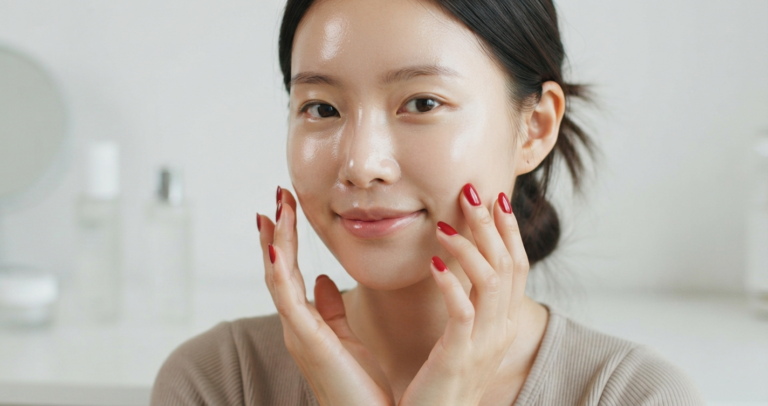
Is Korean Skincare Better Than Regular Skincare?

Go to any shop at the moment, and half of the shelves have something Korean on them. Including sheet masks, essences, snail mucin, weird sunscreens that feel like they do nothing. Only a few years ago, millions of Americans had never heard of half of these products. It is everywhere now, and everybody has something to say. So why is Korean skincare better? Genuinely, it depends. Just because it is Korean does not mean that it is better than anything else. What makes it merit attention is the rationale. Keep skin hydrated. Be gentle. Build the routine slowly. Do not develop the belief that one solid product will solve all your problems right now; instead, think long term. What people are responding to is that philosophy. Not the packaging. Why Korean Skincare Is Better? A lot of hype and bubble features these days surround Korean skincare, but if you find yourself asking Korean skincare why is it better, the answer lies more in the philosophy behind many Korean routines than in where they come from. Traditional Korean skincare rituals make a strong point of focusing on: This is part of why Korean skincare is better for those who do not like heavy or harsh-feeling regimens. Regular Skincare Isn’t One Thing Here’s where the Korean vs regular skincare debate gets fuzzy. Regular skincare isn’t really a category. American, European, and Japanese skincare markets all have genuinely excellent products. Some dermatologist-developed US brands are doing extraordinary things with barrier repair and gentle formulations. The actual difference isn’t Korean versus everything else. It’s two different philosophies running alongside each other. One says load up on activities and treat the problem directly. The other says hydrate well, protect the barrier, and handle concerns gradually from a stable, healthy base. Both can work. Neither always works for everyone. Skin Type Matters More Than Country of Origin Korean skincare is not some magical solution for all skin types. Nothing is. A dry, sensitive skin client who swaps to a gentle Korean routine does feel an uptick that day. Too much treatment, and it needs a rest. The stubborn-acne-haver or specific-skincare-concern-have may require an intense prescription treatment more than they need one more essence layer. The most common fallacy is observed in oily skin. They hear Korean skincare is all about hydration, and therefore associate it with oily skin having no function. Wrong. Underneath, everyone with oily skin can be dehydrated. For example, oily skin will not be provoked by a lightweight hydrating product as much as it will behave better. People with sensitive skin need to stop the reflex of assuming something gentle must also be safe. Read ingredient lists. Focus on introducing single-unit items. The only response that really matters is your skin reaction. Social Media Made It Seem More Complicated Than It Is Glass skin videos, ten-step routines shot in perfect lighting, hauls where twenty products are lined up. It’s fun, but it has also brainwashed so many that more steps equal better skin. It doesn’t. This is how you end up with six new products in your routine but not knowing which one broke you out. Most people genuinely only need four things: That’s it. Start there. Add something only if your skin is clearly telling you it needs more. Here Is What I Experienced I had combination skin. Dry cheeks, oily T-zone, occasional breakouts. I spent months layering strong exfoliating products because I wanted clearer skin quickly. My cheeks got irritated and flaky, and my T-zone stayed oily. Nothing improved. I stripped my routine back to basically nothing. I gave it six weeks without changing anything. My skin settled. Dry patches calmed down. The oiliness reduced because her skin stopped overproducing oil to compensate for being stripped constantly. I didn’t do anything revolutionary. I just stopped fighting her skin and started supporting it instead. That’s the Korean skincare mindset in practice. It’s not about the products. It’s about the approach. Does It Work for Indian Skin? Korean products work for Indian skin. They work for American skin. They work for people in humid climates and dry ones. They also don’t work for some people sometimes, and that’s okay. Your climate matters. Your specific skin concerns matter. What your skin actually does day to day matters more than any recommendation from a skincare account. Someone in Houston dealing with humidity every day needs completely different things from someone in Denver with dry winter air stripping their skin constantly. No single routine covers both of those situations equally well. The Actual Bottom Line Hope you got the answer to why is Korean skincare better. The products aren’t magic. Of course, the country of origin does not guarantee everything. The philosophy of what’s right in Korean skincare. Hydrate consistently. Be gentle. Don’t over-treat. Build slowly. Instead of trying to score fast results that risk damaging the barrier along the way, have a longer-term view on skin health. You don’t necessarily need to change your routine entirely with K-beauty if it works as is. The gentle hydration-first method might be the reset your skin requires if it always feels irritated, tight, or reactive. Whatever you will actually stick with doing every day without quitting is the best routine. Minimalistic, appropriate, and made for what your particular skin really requires. Everything else is marketing. Frequently Asked Questions Does Korean skincare work for everyone? No. Skin is too individual for any one approach to work universally. Pick products based on what your skin actually needs. Are Korean products good for Indian skin? They can be. Match the formula to your skin type and climate rather than the country it came from. Which skincare brand is best for all skin types? That brand doesn’t exist. What works for one skin type can break out another entirely. What is Korea’s number one skincare? There isn’t one. Trends shift constantly. Figure out what your skin needs and start there. Is Korean skincare better than regular skincare? Not automatically. The philosophy

9 Summer Nail Designs You Need To Try For 2026

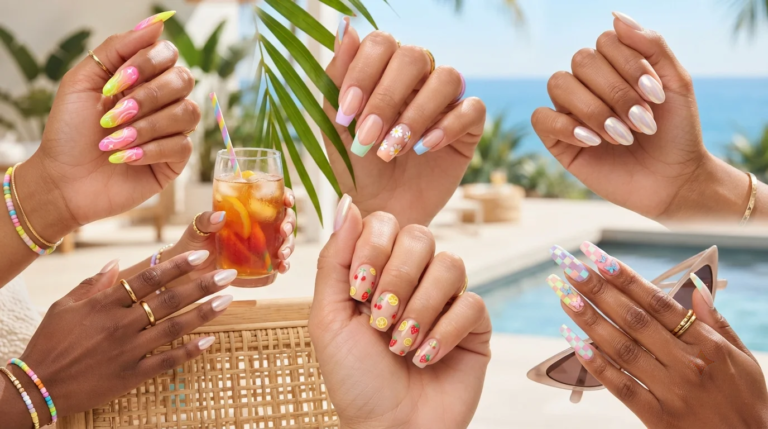
Summer is basically the one season where you can do almost anything with your nails, and it works. Bright colors that would feel overwhelming in February somehow make complete sense in July. Fruit illustrations, chrome finishes, tiny flowers, bold color combinations. All of it just fits the season in a way that’s hard to explain but immediately obvious when you see it. And don’t sleep on your toes this summer. Sandals are out constantly, and your pedicure is getting just as much visibility as your manicure. Both deserve attention. Here are nine designs worth trying. 9 Summer Nail Designs 1. Juicy Citrus Nails Lemon yellow, orange, lime, grapefruit. The entire point of a summer manicure is to take all those brighter versions of citrus shades and put them together on one hand, which collectively look cheerful. Use a single yellow hue on each fingernail, and if you want to get more adventurous with it, add tiny little fruit prints too. Even squeezing in some lemon slices or orange wedges on a few nail accents while the rest remain solid is an effortful middle ground that seems much more deliberate than it is. Want something more subtle? It is also a nude base, with some tiny citrus detail near the tips. Yet still seasonal, still playful, and applicable for situations when you cannot go full bright. This also works great for summer nail art toes. Get noticed this spring wearing bright orange or lemon yellow against tan skin in sandals. 2. Floral Summer Nails Flowers and summer nails are an obvious combination, but that doesn’t make them any less good. The trick is not overcomplicating it. Tiny daisies, simple petals, small flower centers on a neutral base. That’s genuinely enough. A sheer or nude background with small scattered flowers on two or three nails looks better than covering every single nail in elaborate floral artwork. Less is more with this one. Here are the summer toenail ideas: one small flower on each big toenail with the remaining toes in a matching solid is low effort and really cute in sandals. 3. Ocean-Inspired Blue Nails Blue in summer makes sense in a way that feels almost instinctive. It reads as vacation and water and cool air even when you’re nowhere near a beach. Options depending on your mood: Multiple shades of blue blended into a wave effect are particularly striking for toes. Something about seeing that on your feet in sandals at the beach feels exactly right. 4. Chrome Meets Summer Color Silver chrome is classic. Summer chrome is more interesting. Pink, blue, peach, lilac, green chrome finishes change the whole energy of the look. A sheer base with metallic pastel chrome tips is one of the more modern things you can do with your nails right now. It catches the light in a way that regular polish doesn’t and looks genuinely different in photos. If full chrome feels like too much, put it on one or two accent nails only. A pearly or chrome finish on toes with open-toe sandals is particularly good. The light reflection in the sun is worth it. 5. Tropical Nail Art Vacation nails deserve a category of their own. Palm leaves, hibiscus flowers, tiny pineapples, sunset gradients. The whole tropical theme permits you to use colors you’d never combine otherwise. A simple version that works without needing much nail art skill: For toes, one tropical detail on the big toe with the rest in a solid complementary color. Coordinates with the manicure without requiring identical designs on both. 6. Minimalist Micro Nail Art Sometimes summer is not all about loud nails. A clean nude or sheer base topped off with details is sometimes the most fulfilling choice. Small hearts, small stars, small dots, a flower, and a line. This suits those with more conservative tastes who prefer their nails more polished than artsy. If someone looks at it closely or is in the same room, the detail is right there, but again does not holler for attention. When it comes to summer nail art toes, you don’t need more than a tiny heart or small flower on every other big toenail to make a pedicure look purposeful and complete. 7. Colorful Aura Nails Aura nails have been on the scene for a hot minute, but they are still really so good to do, as they allow for wiggle room and look great in photos. This soft glowing effect of colors bleeding outward from the center of the nail is more complicated to achieve than it looks. If you want the look but none of the intensity, pastel shades do it softer and more wearably. Instead of chalky, the color looks fresh and vibrant with a glossy top coat over the completed aura. 8. Cherry-Inspired Nail Art Cherries are trendy at the moment in general, and I think on nails they’re cute without being overly cutesy. This traditional ready-to-wear combination of pr a pair is red whisperer cherries with little green stems or a nude or milky background. You do not need cherries on all of the nails. The easier option, and to be fair the more attractive approach, is two accent nails with the design and the rest glossy red or pale pink. That is a no-fuss pedicure which receives lots of praise: cherries on the large toes with a matching red or pink on the smaller. 9. Soft Pastel French Tips While the classic French mani isn’t being eclipsed any time soon, the white tip iteration is definitely giving off major 2005 vibes. The new version uses pastel colors instead. Softest of the soft color series, those pale shades that are lighter than light: lavender, baby blue, mint green, peach, and soft pink. You can do one pastel shade on each nail or mix it up with some different tip color on all fingers; it sounds chaotic but looks really put together when all shades are within the same pastel family. Although a French

8 Short Hairstyle Ideas For Fine Hair

Fine hair is one of those types that seems perfectly easy to deal with, until it doesn’t. Some mornings, the body and movement that comes to you feels good. In the morning, it’s flat by 9 a.m., and no dry shampoo is going to save it. For years, I believed that I just needed to find the right products. It turns out most of the time, it was about how bad the cut was. Everything was great until I realized that all this time I had been focusing on what to put in your hair rather than the actual haircut itself. A good haircut gives you volume without even touching a hair dryer. No matter how much product you apply, the wrong one just makes fine hair look flat. So we present to you eight fine short hair cuts that will solve your problem! 8 Short Fine Hairstyles Ideas  1. Textured French Bob The French bob continues to be one of the biggest hair trends because it works so well for short fine hair. This cut usually sits around the jawline with soft ends and light texture. Instead of looking heavy, it creates natural movement that makes fine hair appear thicker. I love this style because it doesn’t need perfect styling every morning. A little texturizing spray and a quick blow-dry are often enough. Why it works for fine hair: If your hair tends to lie flat, this is one of the easiest short haircuts fine hair experts recommend. 2. Layered Pixie Cut A pixie cut isn’t just bold anymore. It’s become surprisingly versatile. What you are doing is adding soft layers, not just cutting one length off everything. It’s those layers that generate lift on top as the sides remain tidy. In the past, I thought pixie cuts were only suited to thick hair. That all changed when I saw a friend with the finest hair you can think of. The shorter hair was not weighed down, allowing her hair to look thicker. One of the low-maintenance best fine short hair cuts for very fine hair needs. Styling tip: Opt for a soft volumizer mousse or light spray rather than heavy creams. Fine hair flattens a lot under the weight of heavy products. 3. Chin-Length Blunt Bob Sometimes simple really is better. Since each strand falls at the same length, a bold bob will make your ends look thicker. That’s the very thing that most individuals who have fine hair need! This cut keeps the density at the bottom as opposed to heavily layered styles. Casual for the weekend but polished enough for work! Classic is timeless, and among the fine short haircuts today, it remains classic. 4. Soft Layered Lob Are you worried that going very short is too much work for such little payoff? It is normally just above the shoulders, and soft layers won’t make it appear flat. I always suggest this style to anyone who is chopping off long locks for the first time. It works for a nice change of pace without being too extreme. Another advantage of a layered lob is that you get more styling options. You can: This is one of the most wearable short fine hair styles for everyday life. 5. Bixie Cut A bixie is a hybrid between a bob and pixie haircut. This has been trending all over the U.S. as it gives texture in mid-length hair without too much styling effort. The shorter back lifts, while the long top pieces soften around your face. You’ve been scrolling for hair inspiration recently, and you’ve probably seen the cut everywhere. For people looking for trendy short hairstyles that thin hair can actually support well, the bixie is worth considering. Best for: 6. Wavy Bob with Light Layers It matters if you have a lot of fantastic hair and if it holds a straight hairstyle correctly. Soft waves are the easiest way to add some dimension immediately. To further customize the haircut, you should request light, in moderation, layers, as layering too much sometimes could make fine hair look thinner. What I have learned is that imperfect waves usually appear better than a perfect ribbon curl. They give the illusion of more fullness without appearing “done”. It works especially well if your hair has an even somewhat natural wave. This is recommended among modern short cuts for fine thin hair because texture inherently creates volume. 7. Side-Parted Cropped Bob A small change in where your hair parts can make a surprisingly large difference in how full it looks. A deep side part on a cropped bob creates lift at the roots on the heavier side and changes the whole shape of the cut. My stylist suggested this during a regular appointment when I mentioned my hair was looking flat. I wasn’t expecting much, honestly. The difference was genuinely noticeable, and it cost nothing and took no extra time. Just moved the part. If you’ve been wearing a center part for years, try moving it to the side for a week. The volume difference at the roots alone might convince you to stay there permanently. 8. Modern Shag for Fine Hair Change block type or style Move Heading block from position 48 up to position 47 Move Heading block from position 48 down to position 49 Change text alignment Displays more block tools The shag has changed a lot from what it used to be. The modern version is softer and much more wearable for everyday life. Instead of dramatic layers chopped throughout, it’s a gentle texture around the crown and face that creates movement without making the hair look sparse or thin. Works really well if you like your hair looking a bit undone and relaxed rather than perfectly styled. Sea salt spray scrunched through, shook it out a bit, done. Fine hair that’s been cut well with this method can look genuinely full and interesting without spending half the morning on it. Picking the Right One for You

How to Choose a Skin Scent Perfume That Lasts All Day

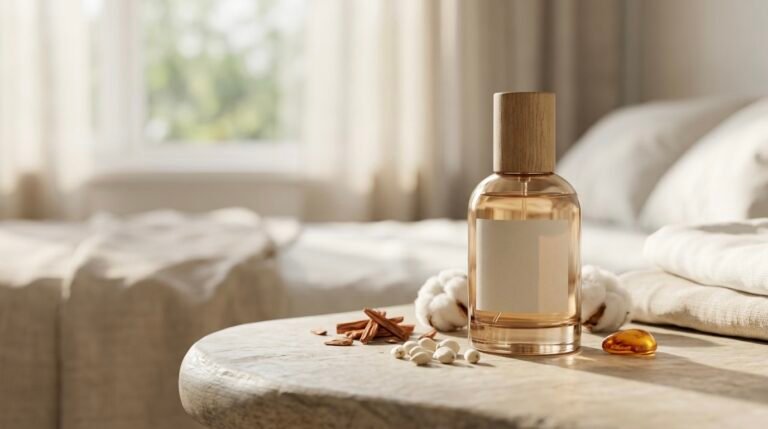
Skin scent perfumes are a kind of perfume. They do not enter a room before you. They stay close, quiet, and personal. The scent someone catches when they lean in instead of walking past you. That intimate feeling is precisely what elevates them to an everyday, work-oriented, casual-days kind of vibe and is ultimately incomparable when something is semi-present but without a show. Understand What a Skin Scent Perfume Is Skin scents are less proficient in projecting compared to bolder fragrances. They generally smell clean, warm, musky, creamy, or slightly floral. They are found almost a mile from the body, but they are most pronounced to someone right next to you, not across the room. Skin scents do actually deliver for those who like heavy fragrances, those who cannot stand them, and those who want something that smells more like a second skin than a liquid you’re wearing. Look for Long Lasting Fragrance Notes These are ingredients that just stick to skin longer. Even if the overall effect remains soft, a skin scent built around technically longer-lasting notes will hold together much better throughout the day. Notes worth looking for: They anchor the lighter top notes and allow the scent to unfold at a calmer pace instead of fading within an hour. Know Your Skin Type Two different people, two opposite results. Same fragrance. The type of skin you have really does matter as far as the length a perfume will last for hours. Natural oils can help fragrance last longer due to how they can slow down evaporation, making oily skin hold fragrance better. Fairly similar performance is given by normal skin. As a result, dry skin absorbs fragrance faster and causes it to fade faster than other types. Dry skin, in particular, should be put on unscented moisturizer under perfume. That layer underneath provides something to which the fragrance can cling and not absorb directly into the skin. The first spray means little to nothing when it comes right down to evaluating a fragrance. Fragrances go through stages, and hour six is a very different experience than the time in the beginning. Test Before You Buy When testing properly: Instead, you are exposed to a true representation of what the fragrance actually smells like as opposed to just vapors from freshly poured perfume. Layer Your Fragrance Layering builds a stronger foundation that holds through more of the day. A simple routine that works well: Use a body lotion that does not have aroma Apply perfume to moisturized skin Lightly mist clothing that can be misted If necessary, add a little refresh later Multiple points of contact mean the fragrance has more places to hold from rather than relying on one application. Store Your Perfume Properly Lack of proper storage will eventually ruin the fragrance quality, yet most individuals never consider it before something smells wrong. Worth keeping in mind: Bath and Body storage and presentation have to be one of the biggest nuisances for perfume, even though this is where most people store it. Give Your Skin Time to Adjust After several hours, even the most long-lasting skin scent is due for a light refresher. This is easily resolved with a travel-sized bottle that doesn’t add much bulk to your bag. One or two light sprays are sufficient to bring the aroma back without immediately turning into the heaviest man in the room. Final Thoughts Selecting a true and lasting skin scent is not merely a process of sampling pleasant odors from a paper strip. Because the reality of how a date fragrance lasts is dependent on all of those things working in synergy: concentration, base notes, application technique, skin type, and even storage. A skin scent perfume can rest from morning until evening without ever becoming something it was never meant to be, if you get those things right. Frequently Asked Questions What is the 3:1:1 rule for perfume? Three sprays on the skin, one dot on clothing if it’s appropriate, one light buzz during the day to keep things neutral. How do I choose the right perfume for my skin type? Test the actual skin and not paper. Oily skin has a higher hold, whereas dry skin needs to be moisturized first. How to make perfume last on skin all day? Skin moist when sprayed, pulse points only, do not rub it in after spraying, and fragrance formulation with base notes such as musk, amber, or sandalwood. What is the 30/50/20 rule for perfume? The structure of a classic fragrance pyramid, where approximately 30% are top notes, 50% heart notes, and just under 20% base notes, makes for an overall balanced scent. Why does my skin not hold perfume? Dry skin, hot air temperature, lower concentration of the fragrance, wrong application type, or individual skin chemistry can lead to faster evaporation. It usually minimizes moisturizing prior to applying.

 How to Get the No-Makeup Makeup Look: A Beginner's Guide

 How to Get the No-Makeup Makeup Look: A Beginner’s Guide

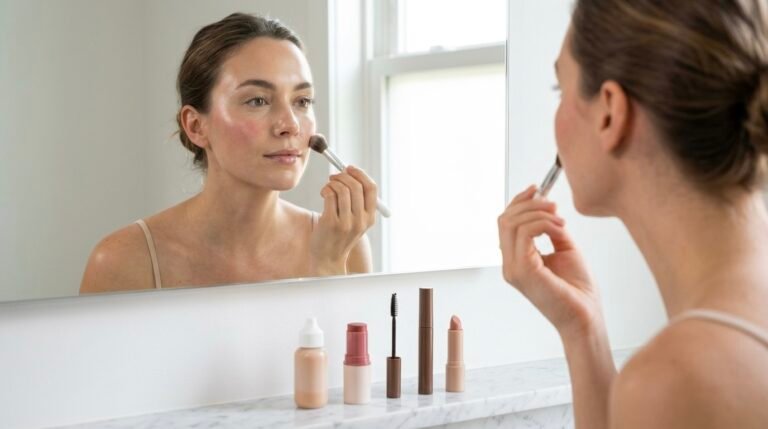
The whole point of this look is that nobody can actually tell you’re wearing anything. Your skin just looks good. Your eyes look awake. Your face looks healthy and rested. Not done up, just genuinely well. That’s harder to pull off than a full face of makeup in some ways because there’s nowhere to hide. Every product has to work with your skin rather than over it. The good news is it’s also much faster and much cheaper than a full no-makeup makeup look routine once you get the hang of it. What You’re Actually Going For When you wake up from a really great night of sleep, your skin is clear, and your face has some color in it; imagine how it looks. That’s the target. They are not perfect; they are not filtered, but they look healthy and alive. You’re not covering your face. You’re only steering it in the right direction. For instance: Now say you are well rested, hydrated, and your skin is really glowing. That’s exactly the result this makeup style is trying to replicate. How to Get No-Makeup Makeup Look Go Light on the Base A strong foundation ruins this look instantly. You want something that sinks into the skin more than sits on top of it. Worn with tinted moisturizer, BB cream, or some skin tint/micro dot of a sheer foundation, all where you need it. They go as far as up to the nose on a chin redness if needed, down under the eyes. Not everywhere. Qualify with a wet sponge or fingers only. Either works. The idea is that you should be able to see your skin texture through it because real skin has texture, and so if you cover it completely, it looks wrong. Concealer Only Where It Counts If you have dark circles under your eyes. Over any blemishes. Near the nose if there’s redness, That’s genuinely it. To stop it from going patchy, just blend the edges in so it melts into your skin better. This also looks way more natural here with less product. If the concealer is visible before and after it, that good ol’ concealer has had too much. A Bit of Color in the Cheeks This is the step that turns everything into life. It gives volume and makes the face pop; otherwise, the face looks flat and tired even with everything else being perfect. For this look, cream blush is superior to powder because it absorbs more readily into the skin and gives off a more natural flush instead of piling on top. Peach, light pinks, and smooth roses ready for a sweet coral. They all run in your shade. Lightly smile and blend up to the temples. Picture how your face looks or feels after a small stroll outside in cold air. That is the flushed look that you are attempting to recreate. Brows but Make Them Look Real Harsh, drawn-on brows immediately make a natural makeup look not natural anymore. The brows give it away every time. Brush them upward first. Fill in only the genuinely sparse bits using small strokes that mimic actual hairs rather than filling in the whole shape with color. Use clear or tinted brow gel to set them. That’s really all you need. Eyes That Look Awake, Not Made Up You’re not going for drama here. Just eyes that look open and alert. Curl your lashes first; it opens the eye without any product at all. One coat of mascara. Brown mascara looks softer than black for daytime and works better for this kind of look. A soft brown pencil very close to the lash line if you want a bit more definition. Neutral eyeshadow if you want something on the lid, but keep it barely there. Lips That Look Like Your Lips but Better Matte liquid lipstick is wrong for this look. Full stop. You want something that makes your lips look hydrated and healthy rather than coated. Tinted lip balm is probably the easiest option. Lip oil if you want a bit of shine. A sheer nude lipstick. A clear gloss. Whatever enhances your natural lip color rather than replacing it. The Mistakes That Give It Away A few things that flip a natural look into an obvious one immediately: Each one individually isn’t catastrophic. All of them together and the whole natural effect is gone. If You’re in a Hurry Five minutes, genuinely: Done. Looks put together, takes almost no time, works for most situations. The Part Nobody Tells You Step back from the mirror after each product. Seriously. Up close, you’ll always think you need more. From a normal distance, if your skin still looks like skin and your features just look slightly better than usual, you’ve nailed it. Try to use it in bright, natural light. The bad bathroom lighting that makes you layer on way more, only to step outside and ask what happened? With a few attempts, you will figure out the quantity that works for your skin. And yet when you do, this is honestly the fastest & most effective no makeup makeup look routine you will ever own. Frequently Asked Questions How to do no makeup makeup for beginners? Layer on your skincare, use a light base, concealer only where necessary, creamy blush, easy brows, one layer of mascara, tinted lip balm. Let it all blend up; use less than you think you need. How to look like you’re wearing nothing? She uses very thin layers, matches a toner product seemingly perfectly to each makeup-wearing individual’s skin tone, in addition to blending thoroughly and emphasizing lifting instead of fully concealing. How to look good without makeup? Skincare routine, adequate sleep, hydration, boy-browed brows, and lip balm. Makeup is less about what you put on your skin and more about your skin itself. How to look 10x prettier? There’s no one-size-fits-all solution, but small habits can have a huge impact. Having healthy skin, wearing clothes that make

Decoding Dress Codes: What “Smart Casual” and “Business Professional” Actually Mean

If you ask any professional fashion stylist what their ultimate secret weapon is, they won’t point you toward an expensive designer handbag or a rare pair of shoes. Instead, they will tell you about the power of the “tuckWe have all experienced that specific spike of anxiety. You receive an invitation to a networking event, a dinner party, or a new job orientation, and at the very bottom, printed in small italics, is the dress code. Often, it says something incredibly vague like “Smart Casual” or “Business Casual.” You stare at your closet, completely paralyzed. If you overdress, you risk looking stiff and out of touch. If you underdress, you risk looking disrespectful and unprofessional. Dress codes were originally designed to make getting dressed easier by setting a clear standard. However, as modern fashion has become increasingly relaxed, the lines between formal and casual have blurred into a confusing gray area. A tailored blazer is now worn with sweatpants, and sneakers are worn with suits. If you want to walk into any room feeling impeccably dressed and perfectly appropriate, you need to understand the modern translation of these sartorial rules. Here is your ultimate guide to decoding the five most common dress codes. The Translation: Think elevated weekend wear. This is the perfect time to wear your favorite, high-quality denim (free of massive rips or distressing). Pair your jeans with a crisp, clean white t-shirt, a luxurious chunky knit sweater, or a simple cotton button-down. For footwear, spotless white leather sneakers, comfortable loafers, or flat ankle boots are perfectly acceptable. You want to look relaxed, but entirely intentional. The Translation: The easiest way to nail Smart Casual is the “High-Low” method. You must pair one highly structured piece with one relaxed piece. For example, if you wear dark-wash jeans (low), you must elevate them with a sharply tailored blazer and pointed-toe heels (high). If you wear tailored, wide-leg dress trousers (high), dress them down with a high-quality, fitted crewneck t-shirt and sleek leather loafers (low). The goal is to look like you put effort into your appearance without looking like you are about to walk into a boardroom. The Translation: Denim is traditionally a gray area here; unless you know for a fact that your office allows dark-wash jeans, it is safest to avoid them. Instead, rely on tailored trousers, chinos, or knee-length pencil skirts. Pair these bottoms with conservative, professional tops: a crisp button-down shirt, a fine-gauge knit turtleneck, or a silk blouse. You can wear a blazer, but it doesn’t need to match your trousers. Closed-toe shoes, such as loafers, oxfords, or modest pumps, are the standard expectation. The Translation: You must wear a suit. This means a matching tailored jacket and trousers, or a matching jacket and knee-length skirt, typically in conservative colors like navy, charcoal gray, or black. Your shirt underneath should be a modest button-down or a high-quality blouse. Footwear must be closed-toe, leather, and impeccably polished. Jewelry should be minimal and quiet—think simple pearls, a classic watch, or small gold studs. In this environment, your clothing should command respect without distracting from your expertise. The Translation: This is the absolute perfect occasion for your Little Black Dress (LBD). However, you are not limited to dresses. A beautifully tailored, jewel-toned pantsuit or a sleek silk jumpsuit worn with statement heels is incredibly chic and perfectly appropriate for a cocktail dress code. The fabrics should feel luxurious—think silk, satin, velvet, or high-quality crepe. Elevate the look with statement jewelry, an elegant clutch, and a flawless beauty routine. By understanding the subtle nuances of these dress codes, you remove the stress from getting dressed. You will never again be the person frantically texting the host to ask, “Wait, what is everyone else wearing?”