
We all have them: those specific garments hiding in the darkest, furthest corners of our closets. It is the dress with a silhouette that feels a few years out of date, the incredibly comfortable t-shirt with a stubborn coffee stain right on the front, or the favorite pair of black jeans that have faded into a sad, dusty grey. You do not want to throw them away because the fabric is still perfectly good, but you never actually wear them.
Instead of letting these pieces gather dust or mindlessly dumping them into a donation bin, it is time to embrace the art of upcycling. Upcycling is the process of taking an item that is no longer being used and giving it a second life and a new function. It is a cornerstone of sustainable fashion, and more importantly, it is an incredibly fun way to create bespoke, one-of-a-kind pieces for your wardrobe without spending any money. Here are some of the most creative and accessible ways to breathe new life into your old clothes.
- The Magic of the Dye Bath
One of the absolute easiest ways to completely transform a garment is to change its color. If you have a white cotton dress that has become slightly yellowed or a brightly colored shirt that no longer fits your neutral capsule wardrobe, fabric dye is your best friend.
A box of high-quality fabric dye costs less than five dollars at your local craft store. You can easily execute a dye bath right in your kitchen sink or your washing machine. The most satisfying upcycle is the “blackout” dye. Take all of your faded black jeans, your slightly dull black sweaters, and your dark t-shirts, and dye them all jet black at the same time. They will come out of the wash looking brand new and incredibly expensive.
- The Power of the Crop
Never underestimate the transformative power of a sharp pair of fabric scissors. An outdated silhouette is usually the main reason we stop wearing a piece of clothing, but changing the hemline can modernize a garment in less than five minutes.
Do you have a maxi dress that feels too heavy or formal for everyday wear? Chop it into a breezy midi or a flirty mini dress. Do you have a boxy, unflattering t-shirt? Cut it into a modern crop top to wear with high-waisted jeans. For denim, the “raw hem” look is incredibly chic. Simply chop the bottoms off a pair of jeans that are too long or slightly flared, throw them in the washing machine, and let the edges naturally fray for an edgy, lived-in aesthetic.
- Visible Mending and Embroidery
For decades, the goal of mending clothes was to make the repair completely invisible. Today, sustainable fashion embraces “visible mending”—turning a flaw into a beautiful design feature.
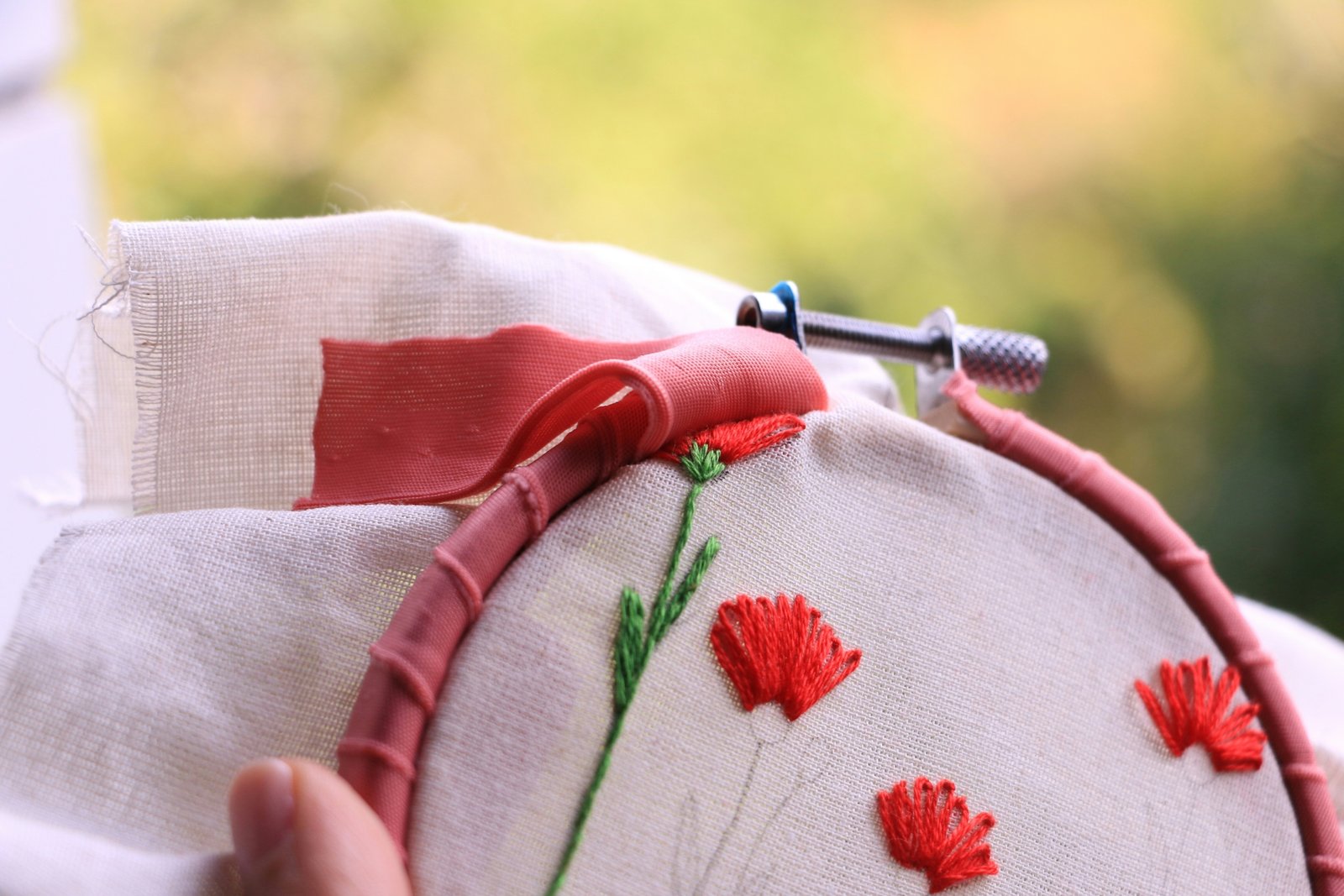
If you have a sweater with a moth hole or a denim jacket with a tear, do not throw it away. Use brightly colored embroidery floss to stitch over the hole, creating a contrasting geometric pattern or a delicate floral design. If you have a stubborn stain on a cotton shirt, cover it by sewing on an interesting vintage patch or embroidering a small motif over the spot. It turns an imperfection into a deliberate, artistic statement.
- The Hardware Upgrade
Sometimes a piece of clothing is structurally perfect, but the finishing details make it look cheap or dated. Swapping out the hardware is a beginner-friendly sewing project that yields massive results.
Take a basic, boring cardigan and snip off the flimsy plastic buttons. Replace them with vintage tortoiseshell buttons, heavy brushed brass, or elegant mother-of-pearl closures. If you have a denim jacket, you can add metal studs or swap the standard silver buttons for something more unique. Upgrading the hardware elevates the entire garment, making a mass-produced item look like a high-end designer piece.
- Repurposing and Deconstructing
If you are feeling a bit more adventurous with a sewing machine, you can completely deconstruct a garment and turn it into something entirely new.
A long-sleeved button-down shirt with frayed cuffs can easily be transformed into a chic, short-sleeved summer blouse. A dress with a ruined bodice but a beautiful skirt can be chopped in half, hemmed at the waist, and worn as a standalone skirt. You can even take the fabric from an irreparably damaged oversized flannel shirt and sew it into a reusable tote bag or a set of scrunchies.
Upcycling completely shifts your perspective. You stop looking at your clothes as finished, disposable products and start looking at them as raw materials brimming with potential.d.