
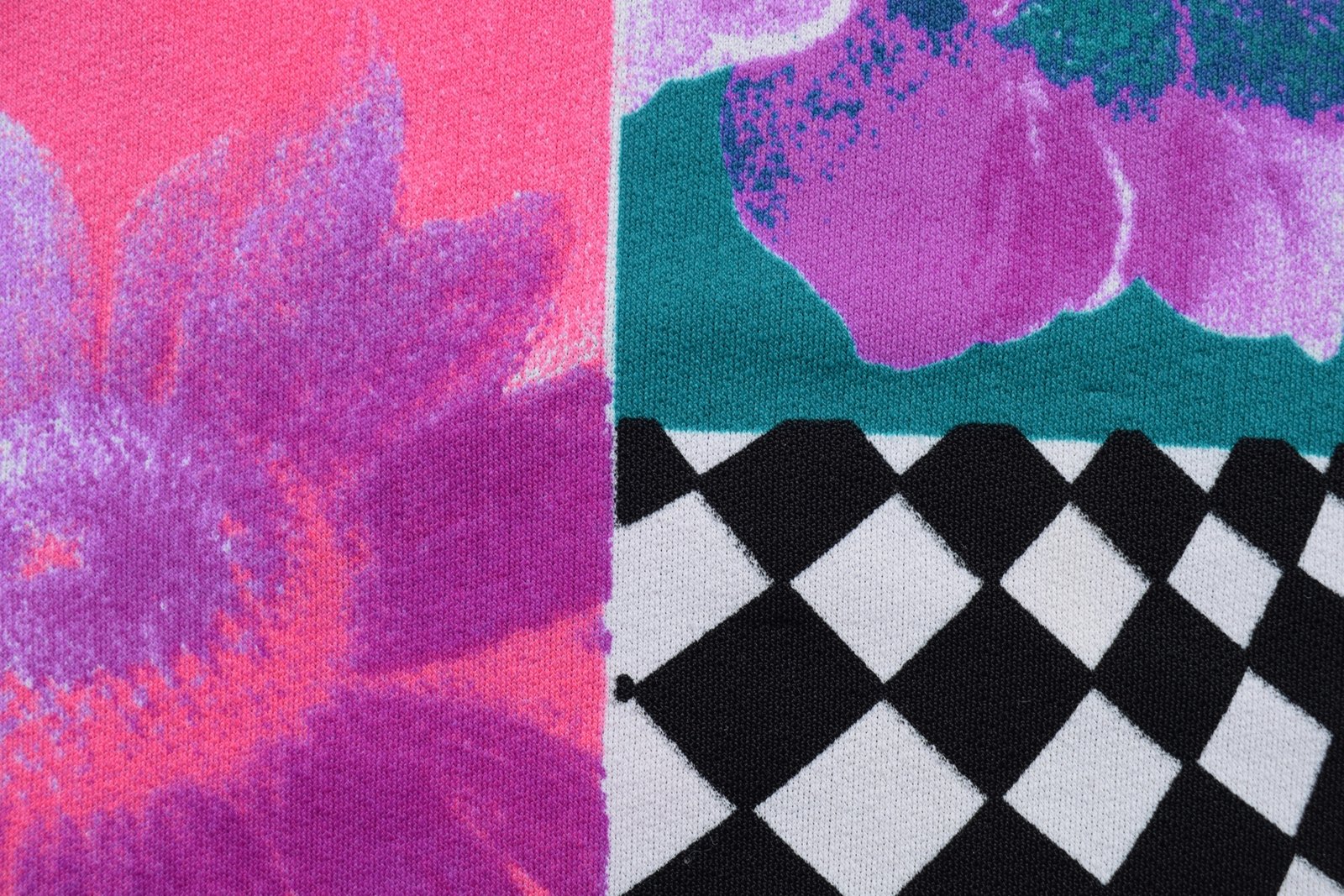
For years, the golden rule of getting dressed was entirely rooted in playing it safe: if you wear a patterned top, you must wear a solid bottom. Mixing prints was considered a massive sartorial faux pas, strictly reserved for eccentric fashion designers or avant-garde runway shows. But as the fashion pendulum swings away from ultra-minimalism and toward joyful, expressive dressing, maximalism has officially entered the chat.
Today, mixing prints and patterns is one of the most powerful ways to showcase your styling prowess. When executed correctly, a heavily patterned outfit doesn’t look chaotic; it looks incredibly deliberate, deeply personal, and highly editorial. However, crossing the line from “chic fashion insider” to “accidental clown costume” is a very real fear. If you want to dip your toes into the world of maximalism without feeling overwhelmed, here is your beginner’s guide to mixing prints and patterns like a seasoned professional.
- The Secret Weapon: The Anchor Color
The biggest mistake beginners make when mixing prints is throwing completely random colors and patterns together and hoping for the best. To make two distinct patterns look like they belong in the same outfit, they must share a common denominator. In the styling world, this is known as the “anchor color.”
Before you pair a floral skirt with a geometric blouse, look closely at the color palettes of both items. They need to share at least one exact color. For example, if you have a navy blue skirt with small white polka dots, you can easily pair it with a bold, oversized plaid blazer—as long as that blazer also features that exact same navy blue. The shared color acts as a visual bridge, telling the eye that these two seemingly clashing pieces are actually part of a unified, intentional look.
- Play with Scale and Proportion
If you wear two patterns of the exact same size, they will violently compete for the viewer’s attention, creating a vibrating, headache-inducing optical illusion. The secret to mixing prints harmoniously is manipulating the scale.
You must always mix a large-scale print with a small-scale print. If you are wearing a dramatic, oversized floral maxi skirt (large scale), pair it with a delicate, micro-stripe button-down shirt (small scale). The smaller print essentially acts as a neutral background, allowing the larger print to take center stage without overwhelming your entire silhouette. Think of it as a conversation: if both prints are shouting at the same volume, nobody can hear the message. One print needs to speak loudly, while the other quietly supports it.
- Treat Stripes and Leopard Print as Neutrals
If the idea of mixing florals with plaid still makes your heart race, start with the “fashion neutrals.” In the styling industry, classic Breton stripes and traditional leopard print are widely considered neutral patterns. Because they are so deeply ingrained in our visual vocabulary, the eye naturally reads them as a solid base.
A black-and-white striped t-shirt can be paired with literally any other pattern in your closet. Try wearing a striped tee underneath a bold, brightly colored floral slip dress, or tucked into a vibrant tartan trouser. Similarly, a leopard print shoe or belt acts as a fantastic, low-stakes entry point into maximalism. You can easily wear a leopard print ankle boot with a plaid coat, and the outfit will look incredibly chic and sophisticated.
- Break It Up with Solid Blocks
When you are wearing multiple patterns, your eyes need a place to rest. If the outfit feels slightly too chaotic when you look in the mirror, you simply need to introduce a solid block of color to break up the visual tension.
You can achieve this easily with clever layering and accessorizing. If you are wearing a patterned blouse and a patterned trouser, throw a solid, sharply tailored black blazer or a classic camel trench coat over the top. The solid jacket frames the patterns, containing the chaos and giving the outfit structure. Alternatively, you can use a thick, solid-colored leather belt at the waist to create a clear visual boundary between a clashing top and bottom.
- Commit to the Look with Confidence
The final, and arguably most important, rule of maximalist styling has nothing to do with the clothes themselves. It is entirely about your attitude.
Mixing prints is inherently bold. It is designed to draw attention. If you step out the door tugging at your clothes, second-guessing your choices, and trying to shrink into the background, the outfit will wear you. Maximalism requires a healthy dose of audacity. When you put together a wild, clashing, beautifully chaotic outfit, you have to own it completely. Keep your grooming immaculate, stand up straight, and treat your outfit like a walking piece of modern art.