If you ask any professional fashion stylist what their ultimate secret weapon is, they won’t point you toward an expensive designer handbag or a rare pair of shoes. Instead, they will tell you about the power of the “tuckWe have all experienced that specific spike of anxiety. You receive an invitation to a networking event, a dinner party, or a new job orientation, and at the very bottom, printed in small italics, is the dress code. Often, it says something incredibly vague like “Smart Casual” or “Business Casual.” You stare at your closet, completely paralyzed. If you overdress, you risk looking stiff and out of touch. If you underdress, you risk looking disrespectful and unprofessional.
Dress codes were originally designed to make getting dressed easier by setting a clear standard. However, as modern fashion has become increasingly relaxed, the lines between formal and casual have blurred into a confusing gray area. A tailored blazer is now worn with sweatpants, and sneakers are worn with suits. If you want to walk into any room feeling impeccably dressed and perfectly appropriate, you need to understand the modern translation of these sartorial rules. Here is your ultimate guide to decoding the five most common dress codes.
Casual (But Make It Elevated)
When an invitation explicitly states “Casual,” it is tempting to reach for your favorite worn-out gym leggings and an oversized college hoodie. Resist that urge. In the context of an event or a social gathering, “Casual” simply means you do not need to wear anything tailored, stiff, or overly formal.
The Translation: Think elevated weekend wear. This is the perfect time to wear your favorite, high-quality denim (free of massive rips or distressing). Pair your jeans with a crisp, clean white t-shirt, a luxurious chunky knit sweater, or a simple cotton button-down. For footwear, spotless white leather sneakers, comfortable loafers, or flat ankle boots are perfectly acceptable. You want to look relaxed, but entirely intentional.
Smart Casual (The Ultimate Balancing Act)
“Smart Casual” is arguably the most dreaded and confusing dress code in existence. It requires you to flawlessly blend two completely opposite aesthetics: the sharp polish of corporate wear and the relaxed comfort of weekend wear.
The Translation: The easiest way to nail Smart Casual is the “High-Low” method. You must pair one highly structured piece with one relaxed piece. For example, if you wear dark-wash jeans (low), you must elevate them with a sharply tailored blazer and pointed-toe heels (high). If you wear tailored, wide-leg dress trousers (high), dress them down with a high-quality, fitted crewneck t-shirt and sleek leather loafers (low). The goal is to look like you put effort into your appearance without looking like you are about to walk into a boardroom.
Business Casual (The Modern Office Standard)
“Business Casual” is the standard dress code for the vast majority of modern corporate offices. It means you need to look inherently professional and put-together, but you are not required to wear a full, matching suit.
The Translation: Denim is traditionally a gray area here; unless you know for a fact that your office allows dark-wash jeans, it is safest to avoid them. Instead, rely on tailored trousers, chinos, or knee-length pencil skirts. Pair these bottoms with conservative, professional tops: a crisp button-down shirt, a fine-gauge knit turtleneck, or a silk blouse. You can wear a blazer, but it doesn’t need to match your trousers. Closed-toe shoes, such as loafers, oxfords, or modest pumps, are the standard expectation.
Business Professional (The Corporate Armor)
If an invitation or a workplace dictates “Business Professional” or “Business Formal,” all ambiguity goes out the window. This is the most conservative, traditional dress code, typically reserved for law firms, finance sectors, and high-level executive meetings.
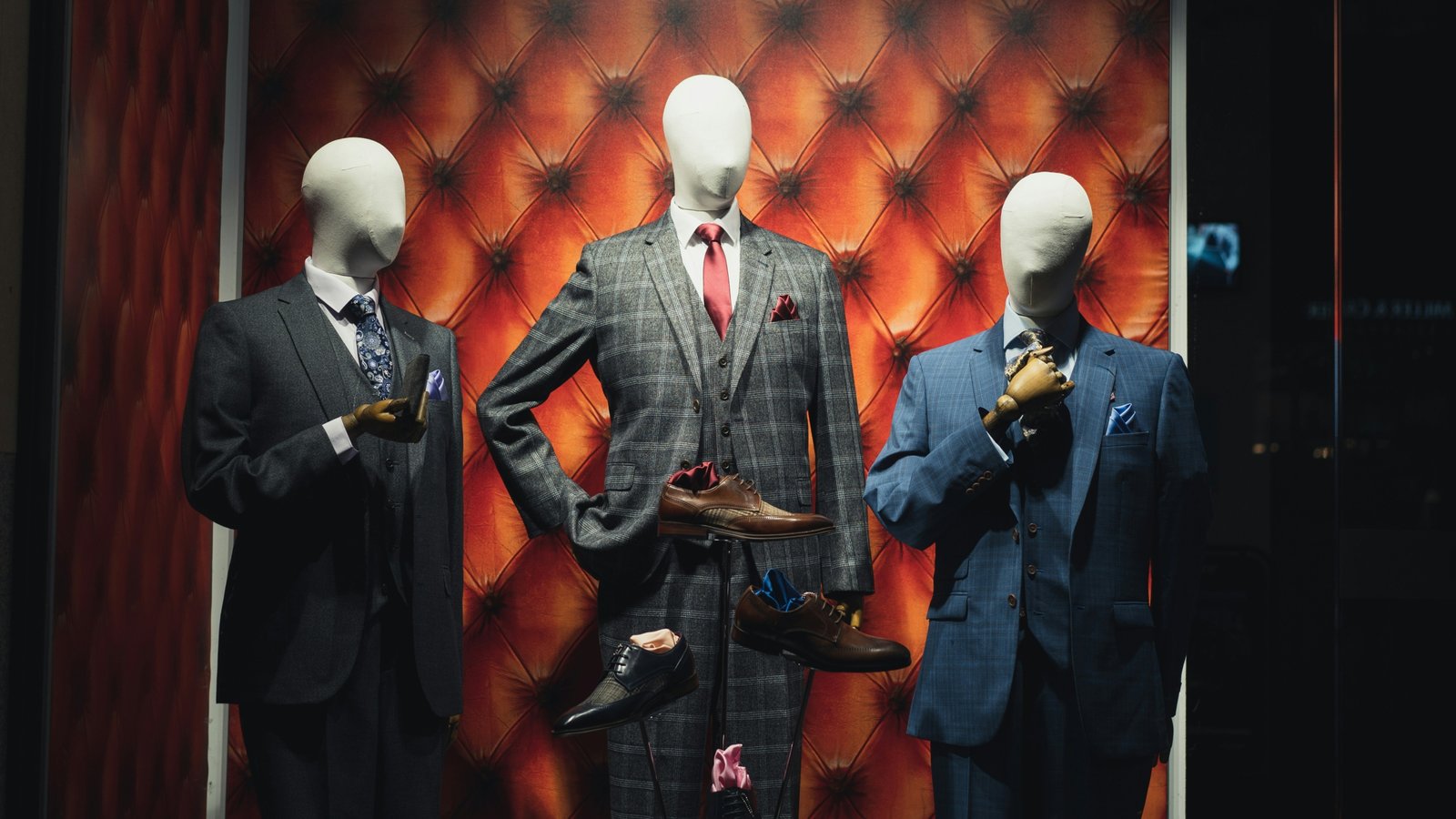
The Translation: You must wear a suit. This means a matching tailored jacket and trousers, or a matching jacket and knee-length skirt, typically in conservative colors like navy, charcoal gray, or black. Your shirt underneath should be a modest button-down or a high-quality blouse. Footwear must be closed-toe, leather, and impeccably polished. Jewelry should be minimal and quiet—think simple pearls, a classic watch, or small gold studs. In this environment, your clothing should command respect without distracting from your expertise.
Cocktail Attire (Evening Elegance)
Cocktail attire bridges the gap between day-to-night styling and full formal wear. It is typically requested for evening weddings, holiday parties, and upscale dinners. It is a dress code that demands elegance, but leaves room for personality and glamour.
The Translation: This is the absolute perfect occasion for your Little Black Dress (LBD). However, you are not limited to dresses. A beautifully tailored, jewel-toned pantsuit or a sleek silk jumpsuit worn with statement heels is incredibly chic and perfectly appropriate for a cocktail dress code. The fabrics should feel luxurious—think silk, satin, velvet, or high-quality crepe. Elevate the look with statement jewelry, an elegant clutch, and a flawless beauty routine.
By understanding the subtle nuances of these dress codes, you remove the stress from getting dressed. You will never again be the person frantically texting the host to ask, “Wait, what is everyone else wearing?”