If you spend any time browsing sustainable fashion content on social media, you will constantly hear two specific words thrown around: “vintage” and “thrift.” Because both terms refer to buying secondhand clothing, they are often used interchangeably by casual shoppers. You might hear someone say, “I just thrifted this amazing vintage jacket!” or see a store labeled as a “vintage thrift boutique.”
However, within the fashion industry and the sustainable style community, these two words actually mean very different things. They represent two entirely different shopping experiences, price points, and levels of garment curation. If you are trying to build a mindful, eco-friendly capsule wardrobe, understanding the clear distinction between vintage and thrift is absolutely crucial for managing your expectations, your budget, and your time. Here is the ultimate breakdown of what these terms actually mean and why the difference matters so much.
What Exactly is “Thrift”?
When you walk into a true thrift store—think of massive charity shops, Goodwill, the Salvation Army, or local community donation centers—you are entering the wild west of secondhand clothing.
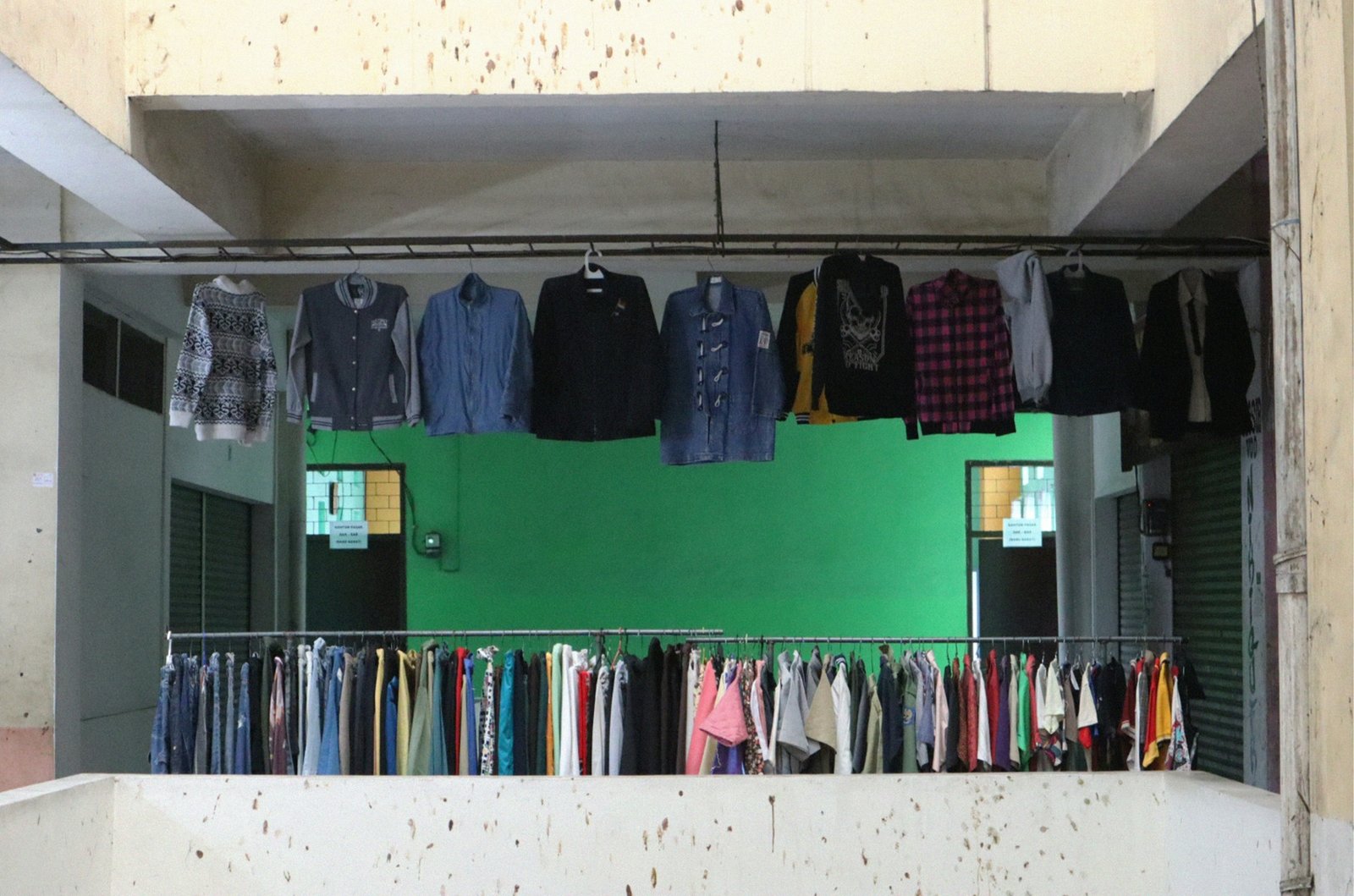
Thrift stores rely entirely on bulk public donations. Because of this, the inventory is completely uncurated. The racks are packed with an overwhelming mixture of literally everything: a t-shirt printed for a family reunion in 2015, a fast-fashion dress from two seasons ago, a pair of worn-out athletic shorts, and yes, occasionally, a stunning 1980s blazer.
The Thrift Experience: Thrifting is defined by the “treasure hunt.” You are going to spend hours sifting through hundreds of low-quality, mass-produced items in the hopes of finding a hidden gem. Because the store does not curate, clean, or mend the clothes before putting them on the floor, the prices are incredibly low. You are trading your time and energy for a massive discount.
What Exactly is “Vintage”?
The term “vintage” refers strictly to the age of the garment. The widely accepted industry standard is that an item of clothing must be at least 20 years old to be officially classified as true vintage. Anything younger than that is simply “secondhand,” and anything older than 100 years becomes an “antique.”
When you shop at a dedicated vintage boutique (either a physical brick-and-mortar store or a curated online shop), you are paying for an expert’s eye. Vintage sellers are essentially fashion historians and curators.
The Vintage Experience: A vintage store owner has already done the exhausting thrift store digging for you. They have sourced pieces from estate sales, private collections, and massive rag houses. They have specifically selected garments for their historical significance, unique silhouettes, superior fabric quality, and rarity. Furthermore, a reputable vintage seller will carefully clean, steam, and often professionally tailor or mend the garment before it ever hits the rack. Because of this high level of curation and restoration, vintage clothing comes with a significantly higher price tag than thrifted clothing.
Why the Distinction Matters for Your Wardrobe
Understanding this difference dictates exactly how you should approach building your sustainable closet. If you are looking for basic, everyday items like a simple denim jacket, a cozy oversized sweatshirt, or fabric to use for an upcycling project, a thrift store is your best bet. You can score these basics for a few dollars.
However, if you are looking for a show-stopping statement piece—like an impeccably tailored 1970s wool trench coat, a perfectly faded pair of 1990s Levi’s 501s, or a breathtaking 1950s silk evening gown—you need to visit a vintage seller. True vintage clothing was manufactured before the explosive rise of modern fast fashion. The construction techniques, the stitching, and the quality of the natural fibers from decades ago are vastly superior to almost anything you can buy brand new at a mall today.
The Environmental Impact of Both
Both thrifting and buying vintage are incredible pillars of a sustainable lifestyle because they keep existing garments out of landfills and completely eliminate the need for new water, energy, and raw materials to be used in manufacturing.
However, thrift stores are currently facing an unprecedented crisis. Because we consume and discard fast fashion at such an alarming rate, charity shops are drowning in low-quality inventory that no one wants to buy. A massive percentage of thrift store donations ultimately end up being shipped overseas or sent to landfills anyway because the fabrics are too flimsy to survive a second owner.
When you buy vintage, you are actively preserving fashion history and investing in circular fashion—keeping high-quality garments in rotation for generations. When you thrift, you are directly intercepting garments that are often on their way to the trash.
Both methods are vital for breaking the cycle of overconsumption. By utilizing thrift stores for your casual basics and investing in curated vintage for your high-quality staples, you can build a breathtaking, sustainable wardrobe that honors the past while protecting the future.